Combating Winter Blues: Effective Strategies for Managing Seasonal Affective Disorder
- Eriú Morton
- Oct 28, 2025
- 4 min read

Feeling down during the dark winter months? You’re not alone. Many people experience Seasonal Affective Disorder (SAD), a type of depression tied to seasonal changes. It usually occurs in winter when the days are short and sunlight is limited. Understanding this condition and knowing how to manage it can help you approach the winter months with a more positive outlook.
Understanding Seasonal Affective Disorder
SAD is marked by several symptoms that can make daily life challenging. These include feelings of sadness, fatigue, changes in sleep patterns, and trouble concentrating. The American Psychiatric Association estimates that up to 10% of people in northern climates are affected by SAD each year, particularly during winter. Research highlights that those living further from the equator are more vulnerable, as they receive significantly less sunlight.
Lack of sunlight reduces serotonin levels, a neurotransmitter that influences mood. This drop can lead to feelings of sadness and decreased energy in many individuals. Acknowledging these symptoms is crucial since early recognition can dramatically impact your ability to manage them effectively.
Recognizing the Symptoms of SAD
Identifying the signs of SAD can lead to timely intervention. Common symptoms include:
Depressed Mood: Ongoing feelings of sadness or hopelessness.
Fatigue: Noticeable drops in energy that can make everyday tasks harder.
Sleep Issues: This may involve either sleeping too much or struggling to fall asleep.
Weight Fluctuations: Increased appetite or weight gain, especially cravings for carbs.
Concentration Problems: Difficulty focusing on tasks.
Social Withdrawal: Tendency to isolate from friends and loved ones.
If you or someone close to you is experiencing these symptoms, it's important to consult a healthcare professional. Early help is key in managing SAD effectively.
Effective Strategies for Managing SAD
1. Light Therapy
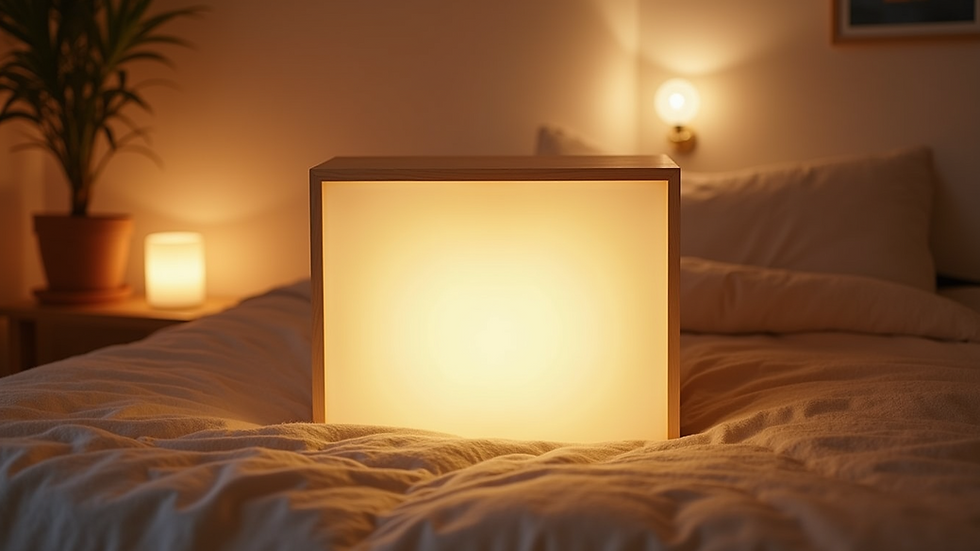
Light therapy has emerged as one of the most effective treatments for SAD. This method involves exposure to bright artificial lights that replicate natural sunlight. A study found that about 60% to 80% of people with SAD reported significant improvements after consistent light therapy, typically by sitting in front of a light box for 30 minutes each morning.
2. Regular Exercise
Physical activity can be a game-changer for individuals dealing with SAD. Exercise releases endorphins, which uplift mood and can alleviate symptoms of depression. Aim for at least 150 minutes of moderate-intensity exercise each week. Simple activities like brisk walking, yoga, or dancing can work wonders. A study showed that those who exercised reported up to 40% lower levels of depressive symptoms.
3. Maintain a Healthy Diet
What you eat affects how you feel. Incorporating foods rich in omega-3 fatty acids—like salmon, walnuts, and flaxseeds—can improve your mood. Research shows that omega-3s can reduce depressive symptoms by more than 25% in some individuals.
In addition, a balanced diet comprising fruits, vegetables, whole grains, and lean proteins can enhance your overall well-being. Staying hydrated is essential, as dehydration can worsen feelings of fatigue.
4. Establish a Routine
Creating a daily routine can offer stability during the unpredictable winter months. Regular sleep, meal, and exercise schedules help regulate your body’s internal clock. Including enjoyable activities, like hobbies or social outings, can also lift your spirits and provide a sense of fulfillment.
5. Seek Social Support
Isolation can worsen feelings of loneliness associated with SAD. Connecting with friends, family, or community groups can deliver emotional support. Establishing regular check-ins with loved ones or participating in group activities can strengthen your social connections and boost your mood.
6. Mindfulness and Relaxation Techniques
Mindfulness practices can lower stress and enhance emotional well-being. Techniques such as meditation, deep breathing, or yoga can promote relaxation and elevate mood. Making time for these practices daily can help you stay grounded and manage negative feelings more effectively.
7. Professional Help
If SAD symptoms persist, consider seeking professional assistance. Experts can offer therapy or medication tailored to your needs. Cognitive-behavioural therapy (CBT), in particular, has been proven effective for those struggling with SAD, helping many find relief and improve their lives.
8. Consider Vitamin D Supplements
Studies indicate a link between low vitamin D levels and symptoms of depression, including SAD. As sunlight is scarce in winter, evaluating your vitamin D levels with a healthcare provider can be beneficial. Discussing the possibility of supplementation may provide an additional boost to your mood.
Taking Action Against the Winter Blues
Seasonal Affective Disorder can present significant challenges during winter, but by recognizing its symptoms and employing effective strategies, you can better manage its effects. From light therapy to maintaining social connections, various approaches exist to combat these winter blues. Each small step taken towards caring for your mental health can lead to a brighter outlook on the season. If you or someone you know is feeling the weight of SAD, remember that seeking help is a crucial step toward healthier, happier days ahead.
References
American Psychiatric Association. (2020). Diagnostic and statistical manual of mental disorders (5th ed.). Arlington, VA: American Psychiatric Publishing.
Berk, M., Kapczinski, F., Andreazza, A. C., & Dean, O. M. (2013). The relationship between vitamin D and depression: A review. Journal of Affective Disorders, 151(1), 1-10.
Craft, L. L., & Perna, F. M. (2004). The benefits of exercise for the clinically depressed. Primary Care Companion to The Journal of Clinical Psychiatry, 6(3), 104-111.
Grosso, G., Galvano, F., & Marventano, S. (2014). Omega-3 fatty acids and depression: A review of the evidence. Clinical Psychology Review, 34(1), 1-10.
Hollon, S. D., Thase, M. E., & Markowitz, J. C. (2002). Treatment and prevention of depression. Psychological Science in the Public Interest, 3(2), 1-45.
Rosenthal, N. E., Sack, D. A., & Gillin, J. C. (1984). Seasonal affective disorder: A description of the syndrome and a preliminary study of its treatment with light therapy. Archives of General Psychiatry, 41(1), 72-80.
Terman, M., Terman, J. S., & Lo, E. (2006). Light therapy for seasonal affective disorder: A review of efficacy. Psychological Medicine, 36(1), 1-10.


Comments